Need help with booking? Send us a message.
Tsum Valley Trekking Permits
Transportation
Tsum Valley Trek Starting Points
Tsum Valley Trek Ending Points
Trip and the Weather
Best Time for the Tsum Valley Trek
Sky Treks and Pilgrimages Team for Tsum Valley Trek
Tsum Valley Trekking Difficulty
Communication and Networking
Food and Accommodation
Important Note
Best Experience for Tsum Valley Trek
Why with Sky Treks and Pilgrimages?
Welcome to Kathmandu, the vibrant capital city of Nepal! Upon arrival at Tribhuvan International Airport, our representative from Sky Treks and Pilgrimages will meet you and transfer you to your hotel. After check-in, you will have the afternoon free to rest or explore the local area. In the evening, we'll gather for a briefing about the trek, followed by a welcome dinner where you can meet your fellow trekkers and guide. Overnight in Kathmandu.
After breakfast, Drive from Kathmandu to Machhakhola, located along the Budhi Gandaki River. The drive takes approximately 7 to 8 hours and offers picturesque views of the countryside, terraced fields, and the towering mountains in the distance. As we pass through the villages of Arughat and Soti Khola, the road gradually becomes more rugged, leading us to Machhakhola, a small village where we’ll spend the night. Overnight at a local guesthouse.
Today, we begin our trek towards Jagat, passing through several small villages and lush forests. The trail follows the Budhi Gandaki River, crossing suspension bridges and ascending steep, rocky paths. We will pass through the village of Khorlabesi and several smaller settlements before reaching Jagat, a charming village that marks the beginning of the Tsum Valley trek. It is a beautiful spot with a mix of traditional houses and scenic views. Overnight in Jagat.
The trek today takes us through beautiful pine forests and terraced fields as we follow the trail northwards. We’ll pass through the checkpoint where we need to show our Tsum Valley permit and continue trekking through villages like Salleri. After several hours of steady ascent, we will arrive at Lokpa, a picturesque village perched on a hillside. The view of the surrounding mountains and the peaceful atmosphere make it a perfect place to relax after the day’s trek. Overnight in Lokpa.
Today’s trek takes us deeper into the Tsum Valley. We cross bridges and ascend through terraced fields, passing through the village of Gho and enjoying the scenic landscape along the way. Chumling, known as Lower Tsum, is the first village in the Tsum Valley, and we’ll experience its rich Tibetan culture and traditional architecture. This village is known for its peaceful atmosphere and beautiful views of the Ganesh Himal. Overnight in Chumling.
We start our trek with a steady ascent through the narrow, winding trails that lead us to Chokhangparo. As we move higher into the Tsum Valley, the landscape becomes even more dramatic with towering cliffs and deep gorges. The trail passes through smaller settlements and fields before arriving at Chokhangparo, a serene village that offers great views of the surrounding peaks. The Tibetan Buddhist culture is deeply ingrained here, and you can visit ancient monasteries along the way. Overnight in Chokhangparo.
Today’s journey brings us closer to the end of the Tsum Valley as we trek towards Nile, one of the highest settlements in the valley. The trail passes through the villages of Lama Gaon and Bihi, where we can see Tibetan-style houses and monasteries. After several hours of trekking, we reach Nile, a small village nestled at the foot of the majestic mountains. Nile is a great spot for acclimatization and offers breathtaking views of the surrounding peaks, including Ganesh Himal. Overnight in Nile.
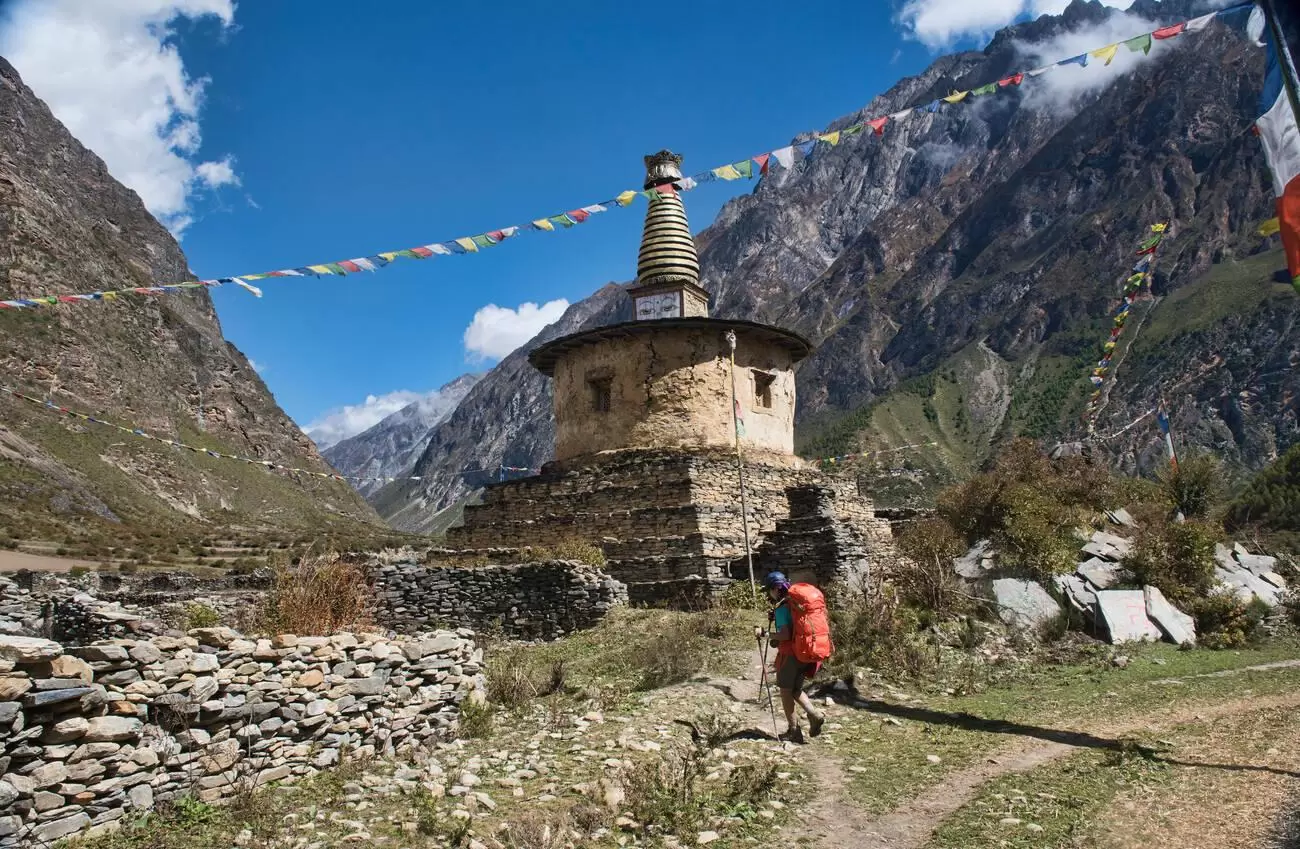
This morning, we take a short but rewarding trek to Mu Gompa, one of the most important monasteries in the Tsum Valley. The trail takes us through beautiful alpine meadows, and the views of the surrounding mountains grow more spectacular as we approach Mu Gompa. Upon arrival, you can explore the monastery and interact with the monks, learning about the rich Tibetan Buddhist culture of the region. The peaceful environment of Mu Gompa is perfect for meditation and reflection. Overnight in Mu Gompa.
After spending time at Mu Gompa, we begin our return journey, retracing our steps back towards Chumling. The descent offers a different perspective of the landscape, and the beauty of the Tsum Valley continues to captivate us. The villages we pass through, such as Bihi and Lama Gaon, are welcoming and offer a glimpse into the simple yet rich lifestyle of the local people. We reach Chumling by evening, where we can rest and reflect on the stunning trek we’ve just completed. Overnight in Chumling.
We continue our descent through the valley, passing through the villages of Gho and Lokpa before arriving at Philim. The trek is mostly downhill today, and the trail takes us through dense forests and past impressive waterfalls. Philim is a larger village compared to others in the region and offers a great place to rest. From here, you can enjoy views of the surrounding mountains, including Mount Manaslu, and get a sense of the local culture before continuing your journey back. Overnight in Philim.
Today marks the final stretch of our trek as we descend further towards Soti Khola. The trail takes us through forests, past waterfalls, and along the Budhi Gandaki River. We will pass through several small villages and farmland, gradually leaving the high mountains behind as we approach the lower part of the valley. Upon reaching Soti Khola, we will rest for the night, reflecting on our incredible journey through the Tsum Valley. Overnight in Soti Khola.
After breakfast, we board a vehicle for the scenic drive back to Kathmandu. The journey takes 7 to 8 hours, offering a chance to relax and enjoy the views of the countryside as we make our way back to the bustling capital. Upon arrival in Kathmandu, you can take some time to rest and explore the city, or visit local markets for souvenirs. In the evening, we’ll gather for a farewell dinner to celebrate the successful completion of the trek. Overnight in Kathmandu.
Today is your final day in Nepal. Depending on your flight schedule, you can enjoy some free time for last-minute shopping or sightseeing. Our Sky Treks and Pilgrimages team will ensure you are transferred to the airport for your flight home, taking with you lasting memories of your Tsum Valley adventure. Safe travels and we hope to see you again on another trek in the Himalayas!
The Tsum Valley Trek is a moderate-to-challenging trek that takes you through a sacred valley in the Manaslu Conservation Area of Nepal. The valley is historically significant, as it was once a pilgrimage site for Tibetan Buddhists. The trek takes you to ancient Buddhist monasteries, sacred mountain peaks, and remote villages where you can witness the unique culture of the Tsumba people, who follow Tibetan Buddhism. Along the way, you’ll trek through lush forests, terraced fields, and past snow-capped peaks like Mount Manaslu, Ganesh Himal, and Himalchuli.
The Tsum Valley was opened to trekking in 2008, and it remains one of Nepal’s most unspoiled and lesser-visited trekking areas. The valley is remote, peaceful, and rich in Tibetan culture, offering trekkers an authentic Himalayan experience. The trek usually lasts between 12 to 14 days, and the highest point is the Mu Gompa, which sits at an elevation of 3,700 meters.
The Tsum Valley Trek is considered a moderate trek, though it can be more challenging due to the remote nature of the area and the altitude. The trek involves several long days of walking through high-altitude terrain, with elevation gains that gradually increase as you approach the higher points of the trek, such as Mu Gompa. The highest point of the trek is at Mu Gompa (3,700 meters), so altitude sickness can be a concern. Acclimatization is crucial, and trekkers are advised to take it slow and incorporate rest days at higher altitudes to avoid altitude sickness.
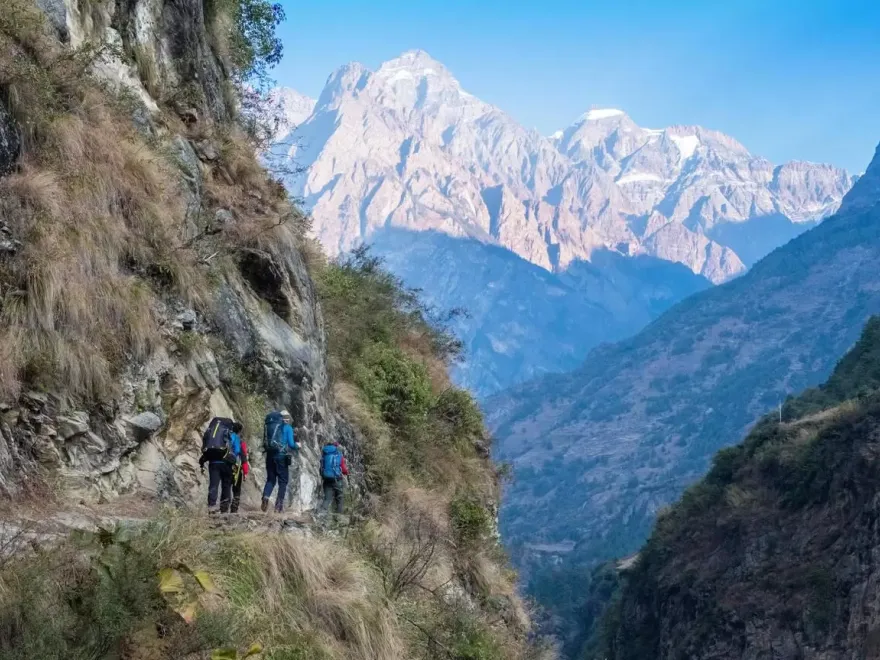
While the trek is not as demanding as some of Nepal’s more challenging routes (like the Annapurna Circuit or Everest Base Camp trek), trekkers should still be in good physical condition and prepared for long, steep ascents and descents. Some sections of the trail are rugged and narrow, and the higher you go, the more remote and rugged the terrain becomes. It’s important to pace yourself, stay hydrated, and be prepared for the physical demands of the trek.
The best time to trek the Tsum Valley is during the spring (March to May) and autumn (September to November) seasons. These months offer the best weather conditions for trekking, with clear skies, stable temperatures, and minimal rainfall. The weather is generally moderate, with pleasant temperatures during the day and chilly nights at higher altitudes.
Spring (March to May): This is one of the best times to trek the Tsum Valley, as the weather is clear, and the rhododendron forests along the trail are in full bloom, creating a stunning natural landscape.
Autumn (September to November): This season is also ideal for trekking, with cooler temperatures, clear skies, and excellent visibility of the surrounding mountain peaks.
The winter months (December to February) are cold, especially at higher altitudes, and many parts of the trek can be covered in snow. This can make the trails challenging and sometimes impassable. The monsoon season (June to August) is best avoided due to heavy rainfall, which can make the trails slippery, increase the risk of landslides, and block access to remote areas.
Accommodation on the Tsum Valley Trek mainly consists of basic teahouses and lodges along the trail. These teahouses are simple but functional, offering trekkers a place to rest, eat, and sleep after a long day of trekking. The rooms are typically shared, with basic bedding provided (you may want to bring your own sleeping bag for extra comfort). The facilities are basic compared to more commercial trekking routes like the Everest or Annapurna regions, but they provide a comfortable and welcoming environment.
In some of the more remote villages, accommodations may be more basic, and you might have to share rooms with other trekkers or locals. The teahouses serve simple, nutritious meals such as dal bhat (rice and lentil soup), noodles, chapati, and momo (dumplings), along with tea and coffee. Hot water and electricity are available in some places, though not consistently.
For those looking for a more luxurious experience, there are limited options for luxury trekking services that offer upgraded accommodations and meals, but these are not as widespread in the Tsum Valley due to its remote nature.
The highest point on the Tsum Valley Trek is Mu Gompa, which sits at an altitude of about 3,700 meters (12,139 feet). Mu Gompa is an important Tibetan Buddhist monastery and is located in the northernmost part of the valley. From this vantage point, trekkers are treated to stunning panoramic views of the surrounding Himalayan peaks, including Manaslu, Ganesh Himal, and Himalchuli.
Reaching Mu Gompa is a significant achievement on the trek, as it requires proper acclimatization and a steady pace. This is one of the main highlights of the trek, as Mu Gompa not only offers beautiful views but also a deep cultural and spiritual experience, with the chance to observe local monks practicing ancient rituals.
Yes, the Tsum Valley is a restricted area, and trekking in the region requires special permits. All trekkers are required to be accompanied by a licensed guide and porter for safety and logistical reasons. The trek falls under the Manaslu Conservation Area (MCA), and trekkers are required to obtain the following permits:
Tsum Valley Restricted Area Permit (RAP): This permit is required to enter the restricted area of the Tsum Valley and can only be obtained through a registered trekking agency in Nepal. It is typically valid for 15 days, but it can be extended if necessary.
Manaslu Conservation Area Permit (MCAP): This permit is required to enter the Manaslu Conservation Area, which covers both the Tsum Valley and Manaslu trekking routes. This permit can be obtained in Kathmandu or the town of Arughat.
Annapurna Conservation Area Permit (ACAP): If your trek continues beyond the Tsum Valley into the Annapurna region, you may need an ACAP as well.
Permits can only be arranged by a registered trekking agency in Nepal, as they also ensure that you are accompanied by an experienced guide. Trekking agencies usually offer package deals that include guides, permits, accommodations, and meals.
Packing for the Tsum Valley Trek requires careful preparation, as you will be trekking in a remote area at higher altitudes. Here’s a list of essential items to bring on the trek:
Trekking Boots: Sturdy, comfortable boots with ankle support for uneven terrain.
Layered Clothing: Temperatures can fluctuate, so bring lightweight moisture-wicking layers, warm fleece, a down jacket, and waterproof outer layers.
Sleeping Bag: A warm sleeping bag suitable for temperatures as low as -10°C (14°F) for higher-altitude nights.
Water Purification: Water treatment tablets or a purifier bottle to ensure access to safe drinking water.
Sun Protection: Sunscreen, lip balm, and sunglasses to protect against high-altitude sun exposure.
Trekking Poles: Useful for navigating steep ascents and descents.
Headlamp: For early mornings or late nights in teahouses or monasteries.
Camera: For capturing the stunning landscapes and cultural moments.
First Aid Kit: Basic medical supplies for emergencies.
Don’t forget to bring cash (Nepali rupees) as ATMs are not available in remote areas, and some lodges may not accept cards.
No, the Tsum Valley Trek is a restricted area, and trekkers must go with a licensed guide. The Nepali government enforces this rule to ensure the safety of trekkers and preserve the region’s unique environment and culture. Trekking agencies in Nepal arrange guides, porters, and permits, and they usually offer group or private trekking packages that include the necessary logistics.
Though you cannot trek the Tsum Valley independently, hiring a guide allows you to gain deeper insight into the region’s culture, history, and landscapes, making the trek even more rewarding.
The Tsum Valley Trek offers an exceptional combination of natural beauty, cultural immersion, and Himalayan adventure. This remote and peaceful trek takes you deep into a valley that has remained largely untouched by modernization, where ancient Tibetan Buddhist traditions are still very much alive. With majestic views of the Manaslu Himal, Ganesh Himal, and Himalchuli, as well as visits to ancient monasteries and Tibetan villages, the Tsum Valley promises a unique and memorable trekking experience for those looking to explore a different side of Nepal. If you're after a journey filled with cultural discovery, stunning landscapes, and the chance to disconnect from the hustle and bustle of everyday life, the Tsum Valley Trek is a perfect choice.