Sky Treks and Pilgrimages

Bhutan Tour

Tripadvisor
4.9/5
512 reviews on tripadvisor
Google
4.8/5
189 reviews on google
From US$ 2,500
US$ 2,150
Save
US$ 350
Book Now

Need help with booking? Send us a message.

Destination
Bhutan
Group size
Min 1+
Max. elevation
3,120 m / 10,236 ft
Difficulty
Easy
Best season
Mar - May, Sep - Nov
Starts and ends
Kathmandu / Kathmandu
Transportation
International flight and all ground transportation as per itinerary
Accommodation
3*** Hotel in Bhutan and Tea House / Lodge during the trip
Meals
All meals during the trip

Highlights

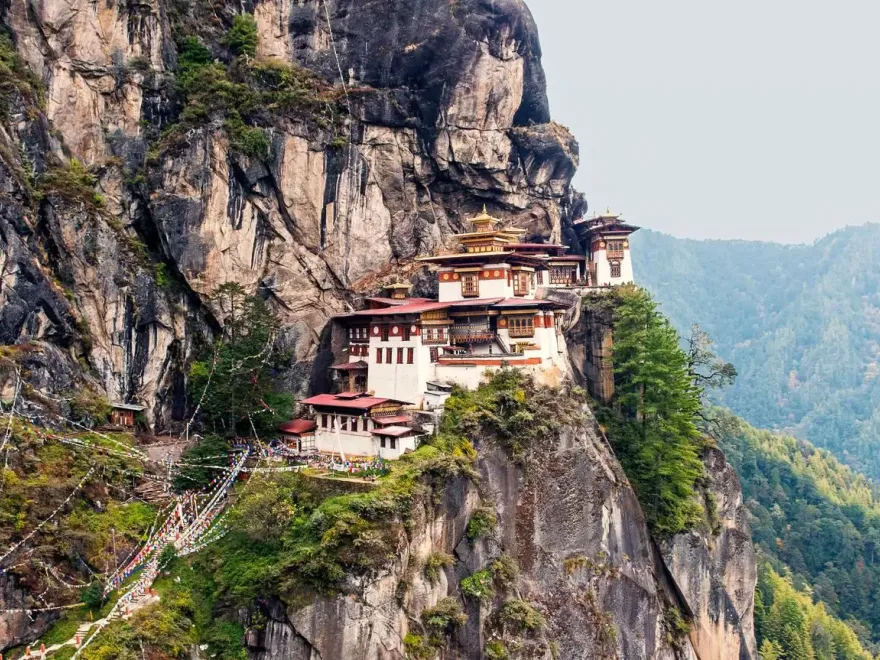
  • Hike to this iconic Tiger’s Nest Monastery, perched on a cliff at 3,120 meters, offering stunning views of the surrounding valley.
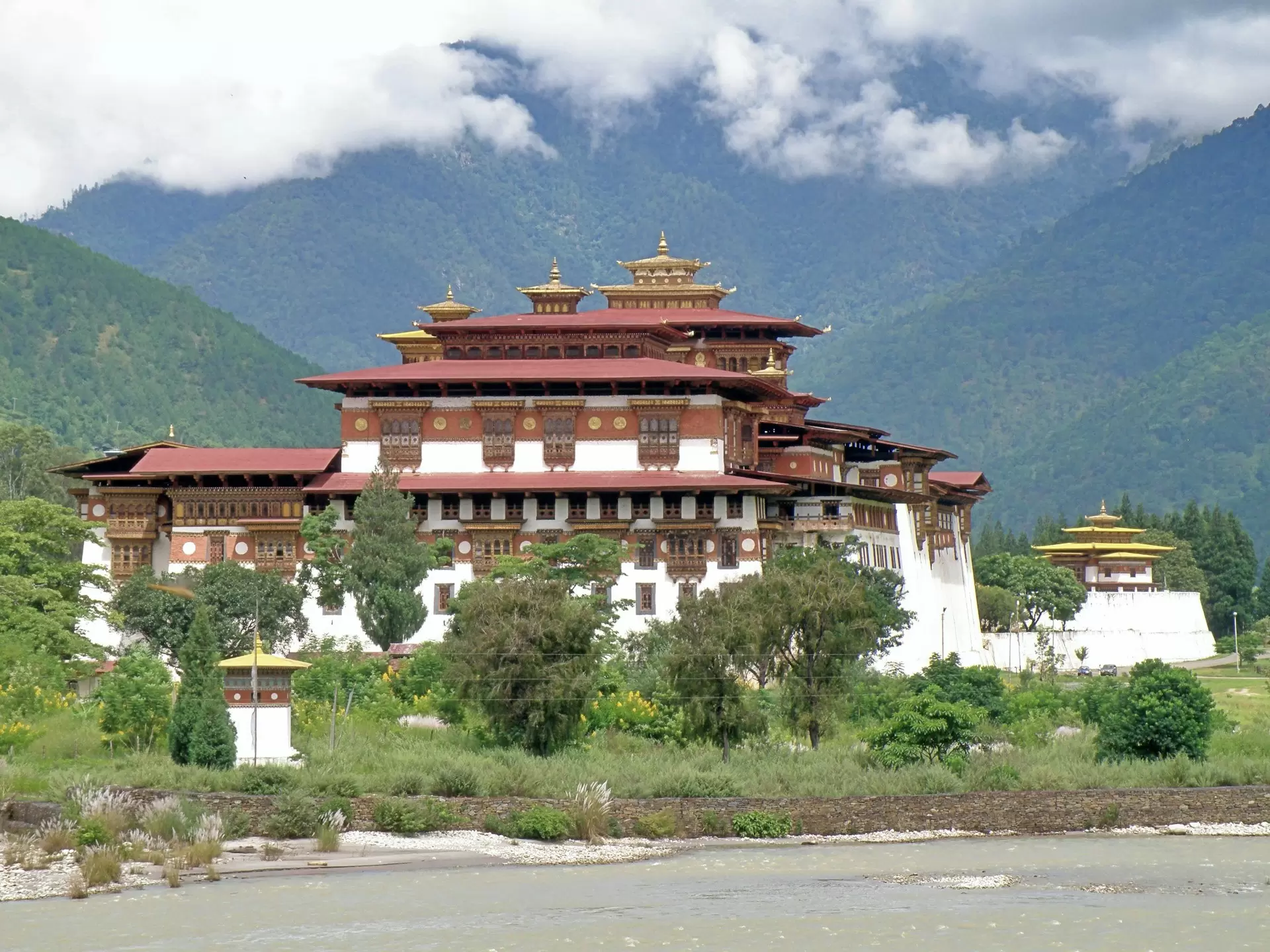
  • Visit this fortress-monastery, a masterpiece of Bhutanese architecture with picturesque views of Paro Valley.
  • Explore the ruins of this historic fortress, offering panoramic views of the valley.
  • Thimphu - Explore Bhutan’s vibrant capital, visit the giant Buddha Dordenma statue, and the Tashichho Dzong.
  • Punakha Dzong - Visit the majestic 17th-century fortress, where the royal wedding took place, and the confluence of the Pho and Mo Chhu rivers.
  • Experience the serene beauty of this glacial valley, home to the endangered black-necked cranes.
  • Bumthang - Explore the cultural heart of Bhutan with its temples, monasteries, and scenic beauty.
  • Witness Bhutanese festivals, dress in the national attire (gho or kira), and savor authentic cuisine like Ema Datshi.

Overview

A Bhutan Tour that includes visits to Paro, Thimphu, and Punakha offers a complete exploration of Bhutan’s cultural, historical, and natural wonders. Paro is the gateway to Bhutan and home to the iconic Tiger’s Nest Monastery (Paro Taktsang), a sacred pilgrimage site perched on a cliffside. The stunning views of the Paro Valley, the serene atmosphere, and the rich cultural heritage make this town an essential stop. Besides Tiger’s Nest, Paro is also home to other significant landmarks like the Rinpung Dzong and the National Museum of Bhutan, providing a deep dive into Bhutanese art, history, and architecture.

Thimphu, Bhutan's capital city, blends traditional and modern aspects, offering a vibrant yet peaceful atmosphere. The city is rich in cultural heritage, with iconic landmarks such as the Tashichho Dzong, the Memorial Chorten, and the Buddha Dordenma statue, which overlooks the valley. Thimphu is also known for its handicrafts, markets, and the unique lifestyle of its inhabitants. The surrounding hills and mountains offer excellent trekking opportunities, making Thimphu a place where you can experience both cultural immersion and outdoor adventure.

Punakha, located in the Pho Chhu and Mo Chhu river valleys, is a must-visit destination for its beautiful landscapes and historic significance. Home to the Punakha Dzong, one of the most majestic fortresses in Bhutan, this town offers a glimpse into the traditional and spiritual heart of the country. The serene surroundings, lush rice fields, and the convergence of the two rivers make Punakha an ideal place to relax and reflect. Visitors can also trek to places like the Chimi Lhakhang (Temple of Fertility) and enjoy the region’s peaceful, rural atmosphere. Together, Paro, Thimphu, and Punakha provide an unforgettable experience of Bhutan’s culture, history, and natural beauty.

With Sky Treks and Pilgrimages, your Bhutan tour to Paro, Thimphu, and Punakha will be an enriching and seamless journey. We design personalized itineraries that cater to your specific interests, whether you are seeking spiritual insight, cultural immersion, or outdoor adventure. Our expert local guides ensure that you gain a deeper understanding of each location’s significance, history, and unique charm. Whether it's exploring monasteries, experiencing local festivals, or trekking through breathtaking landscapes, Sky Treks and Pilgrimages guarantees a well-organized and memorable tour.

Best Time for Bhutan Tour
The best time to embark on a Bhutan tour is during the spring (March to May) and autumn (September to November) seasons. These months offer ideal weather for exploring Bhutan’s majestic landscapes and cultural landmarks. Spring brings vibrant wildflowers, lush greenery, and mild temperatures, making it a perfect time for trekking and outdoor activities. The autumn months offer clear skies, cool temperatures, and crisp air, creating stunning views of the Himalayan peaks. Additionally, autumn is the season of traditional Bhutanese festivals like Tsechus, where visitors can witness colorful dances, music, and spiritual rituals, adding a unique cultural dimension to the trip.

While winter (December to February) can be cold, particularly in higher altitudes, it is a great time for those looking to experience Bhutan in a more peaceful, snow-covered setting. The winter months are less crowded, allowing for a more serene atmosphere. On the other hand, the summer (June to August) is the monsoon season, which can bring heavy rainfall and disrupt travel plans in some areas, especially in remote regions. However, it can also be a quieter period for those looking to avoid the crowds. Regardless of the season, Sky Treks and Pilgrimages ensures a smooth and enjoyable Bhutan tour, with well-planned itineraries and travel arrangements suited to the time of year.

Bhutan Tour Permits
To visit Bhutan, travelers must obtain a permit through a licensed tour operator, as the country maintains a controlled tourism policy. Foreign nationals (except for citizens of India, Bangladesh, and the Maldives) are required to apply for a visa in advance, which is processed through a Bhutanese travel agency like Sky Treks and Pilgrimages. In addition to the visa, travelers must pay a daily tariff that covers accommodations, meals, transportation, and a licensed guide. This system allows Bhutan to manage its tourism sustainably while maintaining the country’s environmental and cultural integrity.

At Sky Treks and Pilgrimages, we take care of all the necessary permits and documentation for your Bhutan tour, making your travel experience hassle-free. From visa applications to the daily tariff and any additional permits required for trekking or visiting remote areas, our experienced team handles all logistical aspects. This ensures that you can focus on enjoying the journey without worrying about paperwork. Our expertise in Bhutan’s tourism regulations guarantees that you will be able to explore the country with ease and peace of mind.

Why Choose Sky Treks and Pilgrimages for Bhutan Tour
Choosing Sky Treks and Pilgrimages for your Bhutan tour ensures that you will have a well-organized, personalized, and enriching experience. Our expert guides, who are deeply familiar with Bhutan’s culture, history, and landscapes, will accompany you every step of the way, offering unique insights into the places you visit. We take great pride in curating bespoke itineraries that suit your interests, whether you want to delve into Bhutan’s spiritual sites, enjoy adventurous treks, or experience its traditional festivals. Our commitment to providing high-quality services means that your accommodations, transportation, and meals will be of the highest standard, ensuring a comfortable and hassle-free experience.

Sky Treks and Pilgrimages prioritizes customer satisfaction and safety, ensuring that every detail of your tour is handled professionally. Our local team works diligently to provide a smooth travel experience, from the moment you land in Bhutan until you return home. We also emphasize responsible tourism, ensuring that your visit benefits both the local communities and the environment. By choosing Sky Treks and Pilgrimages, you are not only ensuring a remarkable Bhutan experience but also supporting sustainable and respectful travel in one of the world’s most unique destinations.

Trip Itinerary

Your exciting journey to Bhutan with Sky Treks and Pilgrimages begins as you arrive at Paro International Airport from Kathmandu. Upon arrival, you’ll be greeted by our representative who will assist you with your transfer to Thimphu, Bhutan’s capital city. The drive from Paro to Thimphu takes around 45 minutes, and on the way, we’ll stop at the famous Tachog Lhakhang, also known as the Iron Bridge. This historic bridge, built by the revered lama Thangtong Gyalpo, is a symbol of Bhutan’s rich spiritual heritage. Depending on your flight timing, you will also have time to explore Thimphu’s attractions like the Buddha Dordenma, the giant Buddha statue, or take a brief stroll around the local market. Afterward, you’ll check into your hotel and relax for the evening.

Overnight: Thimphu

After breakfast, we begin your full day of exploration in Thimphu, the capital of Bhutan. The day starts with a visit to the Buddha Dordenma, one of the largest Buddha statues in the world, offering panoramic views of Thimphu Valley. Next, visit the King's Memorial Stupa, built in honor of the third king of Bhutan, where you can enjoy the serene atmosphere and prayer wheel chants. Explore the CSI Market, a lively local market offering Bhutanese handicrafts and traditional goods. Visit the Takin Preserve, home to the unique national animal of Bhutan, the takin. Afterward, take a scenic hike from Sangaygang (BBS Tower) to Wangditse Goenba, where you’ll enjoy fantastic views of the city and surrounding valleys. End the day with a leisurely walk around the main streets of Thimphu, soaking in the local culture.

Overnight: Thimphu

After breakfast, we head to Punakha, a picturesque town situated 2 hours away from Thimphu. On the way, we’ll stop at Dochula Pass, a high-altitude pass offering stunning views of the Himalayan mountain range. Here, you’ll also see the beautiful Dochula Chorten and prayer flags fluttering in the wind. Upon arriving in Punakha, we’ll take a short 30-minute hike to the Temple of the Divine Madman, dedicated to Drukpa Kunley, a famous lama known for his unconventional teachings. Then, we’ll visit the stunning Punakha Dzong, located at the confluence of the Pho and Mo Chhu rivers. This majestic fortress is one of the most iconic dzongs in Bhutan. After a day of exploration, you’ll check into your hotel for the night.

Overnight: Punakha

Enjoy a full day of adventure and sightseeing in Punakha. In the morning, embark on a scenic hike to the Khamsum Yuelley Stupa, perched on a hilltop with breathtaking views of the Punakha valley below. The hike is easy and offers the chance to immerse yourself in the beauty of the surrounding landscape. Afterward, get ready for some excitement with a white river rafting experience on the Mo Chhu river, with the magnificent Punakha Dzong providing a beautiful backdrop. In the afternoon, visit the Sangchen Lhuendrup Nunnery, a peaceful monastery offering incredible views and a tranquil atmosphere. After a full day of exploration, return to your hotel for a relaxing evening.

Overnight: Punakha

Today, we drive back to Paro, a journey of about 3.5 hours. En route, stop at Semthokha Dzong, an ancient fortress built in 1629, which now houses the Institute for Language and Culture Studies. Upon reaching Paro, we will visit the National Museum, where you can explore Bhutan’s rich cultural heritage through fascinating exhibits. Later, enjoy a short hike to Kichu Lhakhang, one of the oldest temples in Bhutan, known for its historical and cultural significance. You’ll check into your hotel in Paro, where you can relax and reflect on the day’s experiences.

Overnight: Paro

Prepare for an exciting day of exploration in Paro! After breakfast, we’ll take you on a hike to Taktsang Monastery, also known as the Tiger’s Nest. This world-famous monastery is perched on the side of a cliff, 3,000 meters above the valley floor. The hike is moderately challenging but offers unforgettable views and a chance to experience Bhutan’s spiritual heart. After visiting the monastery, you’ll have time to explore Paro’s local shops and pick up some souvenirs for your loved ones. Later, we’ll visit a traditional Bhutanese farmhouse, where you’ll have the opportunity to enjoy a meal with local people and experience their way of life. To cap off the day, indulge in a hot stone bath, a therapeutic and relaxing experience that has been a part of Bhutanese culture for centuries.

Overnight: Paro

On the final day of your Bhutan tour with Sky Treks and Pilgrimages, depending on your flight time, we’ll arrange a personalized program for you. You may have some free time for last-minute shopping or a leisurely breakfast. We will then transfer you to Paro International Airport for your return flight to Kathmandu, marking the end of an unforgettable journey through the cultural and natural beauty of Bhutan.

Not satisfied with this itinerary? Make your own.
Plan My Trip

Includes

  • Sustainable Development Fee (SDF) this to be directly paid to Government 
  • Accommodation ( 1 Single rooms ) in 3 * Hotels
  • Accommodation ( 1 Single rooms ) in 2 * Hotels 
  • All meals (Breakfast,Lunch ,Dinner)
  • Private Luxury  vehicle and experience driver 
  • All internal taxes & charges
  • Licensed English Speaking Guide 
  • Enterence fees to all museums and Monuments

Doesn't Include

  • Flight tickets
  • Insurance
  • Drinks and Beverages
  • Tips
  • Internet and Phone bills
  • Other bills of a personal nature

Upcoming Departure Dates

No fixed departures
Why Book with Us?
  • Excellent customer service.
  • Our travel experts are ready to help you 24/7.
  • Best price guaranteed.
  • No credit card or booking fees.
  • 100% financial protection.
  • Environmentally-friendly tours.

Frequently Asked Questions

General Information

The best time to visit Bhutan is during the spring (March to May) and autumn (September to November). During these months, the weather is pleasant, and the landscape is particularly beautiful with clear skies and vibrant flora. Spring brings blooming flowers, while autumn offers crisp air and spectacular views of the snow-capped peaks. Winter (December to February) can be cold, especially in the higher altitudes, but it offers a serene and less crowded experience. Summer (June to August) is the monsoon season, which can lead to some rainfall, but it also makes the countryside lush and green.

In Paro, a must-see attraction is the iconic Tiger's Nest Monastery (Paro Taktsang), perched on a cliffside offering stunning views. Visitors also enjoy the Rinpung Dzong and the National Museum of Bhutan. Thimphu, the capital city, features landmarks like the Tashichho Dzong, the Buddha Dordenma Statue, and the National Memorial Chorten. For a unique experience, check out the Textile Museum to see traditional Bhutanese weaving techniques. In Punakha, the Punakha Dzong is a significant highlight, sitting at the confluence of two rivers, and the Chimi Lhakhang monastery, also known as the "Fertility Temple," is worth visiting for its unique cultural and spiritual significance.

Bhutan is well connected by air, with the only international airport being Paro International Airport. Bhutan’s national carrier, Druk Air, offers flights to and from several countries like India, Thailand, Nepal, and Singapore. Another option is to drive from India through the border town of Phuentsholing, which connects to Bhutan’s road network. However, all tourists must book their travel through a registered tour operator, as Bhutan has a policy of regulated tourism, and visitors need a visa or permit to enter.

Yes, all visitors to Bhutan require a visa. The visa is arranged through a licensed Bhutanese tour operator. It is processed in advance, and once approved, the visa is issued on arrival at Paro Airport or at the border entry points. The tour operator will also provide a permit for travel within Bhutan, which is generally included in the package.

Bhutanese culture is rooted in deep spirituality, and respecting local customs and traditions is important. When visiting monasteries and temples, modest clothing is required—covering shoulders, knees, and sometimes arms. It's also respectful to remove your shoes before entering religious buildings. Photography is generally allowed, but it’s polite to ask permission first, especially in sacred areas. Bhutanese people are friendly and respectful, and visitors should greet them with a smile or a nod. It’s also customary to address elders and monks with respect, using terms like “Lama” for monks and “Aja” or “Ami” for elders.

Bhutan offers some fantastic trekking opportunities, such as the Jomolhari Trek or the Druk Path Trek. If you're planning a trek, it's important to be in good physical condition and prepare for varying weather conditions. The trekking routes vary in difficulty, so choose one that matches your fitness level. Bring layered clothing for varying temperatures, comfortable hiking boots, a rain jacket, and necessary equipment like trekking poles, a headlamp, and a first-aid kit. Hiring a local guide for trekking is a requirement, as they are knowledgeable about the terrain and can ensure safety.

Bhutanese cuisine is flavorful and often spicy, with chili being a main ingredient in many dishes. The staple food is ema datshi, a dish made with chili and cheese. Other popular dishes include phaksha paa (pork with radish), momo (dumplings), and red rice, which is grown locally. Tea in Bhutan is traditionally butter tea, made with yak butter, which may be an acquired taste for some visitors. However, international options are available in most hotels and restaurants, catering to a wide variety of tastes. Vegetarians can also find plenty of options, as Bhutan has a growing focus on sustainable and plant-based eating.

Mobile phone coverage is available in most cities and towns, including Paro, Thimphu, and Punakha, but can be limited in more remote areas, especially during treks. Bhutan has a few mobile service providers, and international roaming is possible, but it’s best to check with your provider before traveling. Internet access is available in most hotels, cafes, and tourist areas, though it may not be as fast or reliable as what you're used to in more developed countries.

Bhutan is considered one of the safest countries for travelers. The crime rate is very low, and the country is politically stable. The Bhutanese people are known for their hospitality and friendliness, and you are unlikely to experience any safety concerns during your visit. However, as with any international travel, it’s always wise to take basic precautions, such as keeping an eye on personal belongings and following local customs. Also, due to Bhutan’s mountainous terrain, it’s essential to be mindful of altitude sickness if you plan on trekking at high elevations.

Tipping is not mandatory in Bhutan, but it is always appreciated if you feel the service has been exceptional. If you are traveling with a guide and a driver, a tip can be given at the end of the tour. A typical tip for guides and drivers is between $10 to $20 USD per day, but it is entirely up to the traveler’s discretion. Many travelers find it rewarding to support the local economy in this way, and it is a nice gesture of appreciation for good service.

Similar Trips

Nepal and Bhutan Tour
Difficulty: Easy
Tripadvisor Travellers' Choice Awards 2024, 2025 and 2026
Associated with
  • Nepal Government Ministry of Culture, Tourism & Civil Aviation
  • Nepal Tourism Board
  • Trekking Agencies' Association of Nepal
  • Nepal Mountaineering Association