Need help with booking? Send us a message.
Kanchenjunga Circuit Trekking Permits
Transportation
Kanchenjunga Circuit Trek Starting Points
Kanchenjunga Circuit Trek Ending Points
Trip and the Weather
Best Time for Kanchenjunga Circuit Trek
Sky Treks and Pilgrimages Team for Kanchenjunga Circuit Trek
Kanchenjunga Circuit Trekking Difficulty
Communication and Networking
Food and Accommodation
Important Note
Best Experience for Kanchenjunga Circuit Trek
Why with Sky Treks and Pilgrimages?
Welcome to Kathmandu, Nepal! Upon your arrival at Tribhuvan International Airport, you will be met by a representative from Sky Treks and Pilgrimages who will transfer you to your hotel. After check-in, you have the rest of the day free to relax and recover from your flight or explore the vibrant streets of Thamel. In the evening, you’ll have a briefing about the Kanchenjunga Circuit Trek, followed by a welcome dinner where you can meet your fellow trekkers. Overnight in Kathmandu.
Today, we prepare for the trek by obtaining the necessary permits. This includes the Kanchenjunga Conservation Area Permit (KCAP) and TIMS (Trekkers' Information Management System) card. During the day, you may choose to visit some of Kathmandu’s UNESCO-listed sites, such as Swayambhunath (Monkey Temple), Boudhanath Stupa, or Pashupatinath Temple. These are all rich in history and cultural significance. If you prefer a more relaxed day, you can rest at the hotel. Overnight in Kathmandu.
After an early breakfast, we take a scenic 45-minute flight from Kathmandu to Bhadrapur, located in the southeastern part of Nepal. From Bhadrapur, we drive for approximately 6 hours to Taplejung, a town at 1,820 meters and the official starting point of our trek. The drive is an adventure in itself, with beautiful landscapes, local villages, and riverside views. You will be able to witness the changing scenery as you head towards the eastern part of Nepal. Overnight in Taplejung.
After breakfast, we continue our journey by driving towards Sekathum. This day will be a long but scenic drive, taking us through rural landscapes, terraced fields, and small villages. Sekathum is a small settlement near the Tamor River, and it serves as our first trekking stop. Upon arrival, you will be surrounded by lush greenery and have your first glimpse of the Kanchenjunga region. Overnight in Sekathum.
Today, we begin our trek on foot. The trail from Sekathum to Amjilosa is a moderate 5-6 hour hike that takes us through dense forests of rhododendron, oak, and bamboo. As we trek along the river, we’ll cross several suspension bridges and pass through the villages of Terhathum and Taplethok. Amjilosa is a quiet, picturesque settlement surrounded by the serene beauty of the mountains. Overnight in Amjilosa.
Today’s trek will take us from Amjilosa to Gyabla, a Tibetan-influenced village at an elevation of 2,725 meters. The trail gradually ascends, offering views of the distant snow-capped peaks and passing through beautiful pine and juniper forests. We’ll cross a few rivers and enjoy the solitude of the upper Tamor Valley. Gyabla is a traditional settlement, and the locals are known for their warmth and hospitality. Overnight in Gyabla.
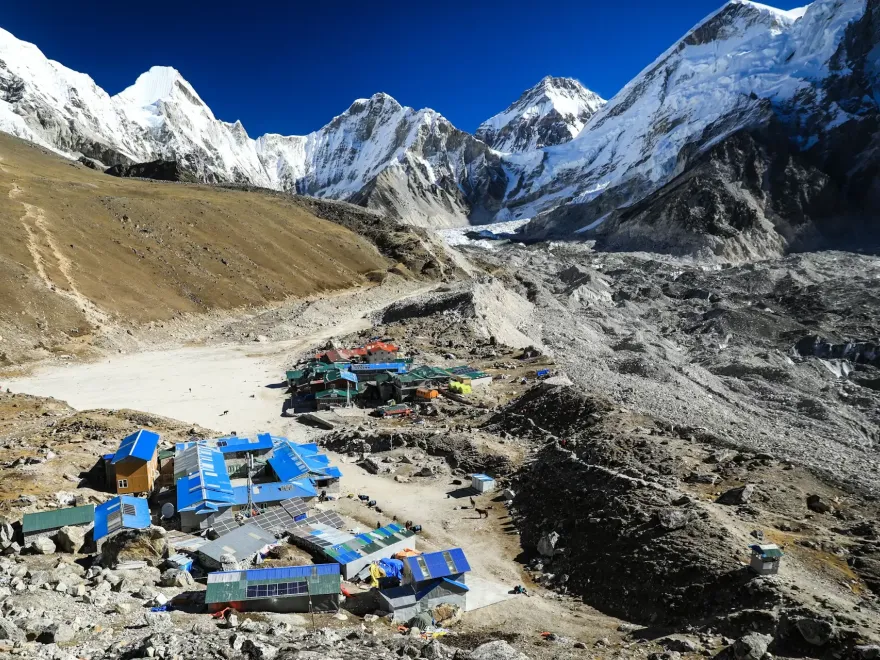
After breakfast, we continue trekking through the Kanchenjunga Conservation Area. The trail today takes us through alpine meadows and dense forests, with several ascents and descents along the way. We cross bridges, pass small settlements, and gradually make our way to Ghunsa, a larger village at 3,415 meters. Ghunsa is a crucial stop on the Kanchenjunga Circuit, offering beautiful views of the surrounding mountains and providing a good place to rest before heading higher. Overnight in Ghunsa.
Today, we continue our ascent, heading from Ghunsa to Khambachen. The trail takes us through a remote and rugged area, with dramatic mountain views and a sense of isolation. We cross rivers, navigate through forests, and pass several high-altitude meadows. Upon reaching Khambachen, located at 4,145 meters, we’ll be treated to awe-inspiring views of Kanchenjunga North and the surrounding peaks. This is a great spot for acclimatization and relaxation. Overnight in Khambachen.
Today is an acclimatization day in Khambachen. It’s essential to give your body time to adjust to the altitude to avoid altitude sickness. You can take a short hike around the village to explore the surroundings or simply rest and enjoy the spectacular mountain views. This is a great opportunity to relax and reflect on the journey so far. Your guide will also ensure you stay hydrated and well-rested. Overnight in Khambachen.
Today, we trek from Khambachen to Lhonak, located at an altitude of 4,792 meters. The trail is a gradual ascent through barren landscapes, rocky ridges, and alpine meadows. As we move higher, we pass through some of the most remote and untouched terrain in the Kanchenjunga region. The area is quiet and peaceful, and upon reaching Lhonak, you’ll be rewarded with amazing views of Kanchenjunga North, Jannu, and other nearby peaks. Overnight in Lhonak.
Today is one of the highlights of the trek as we make the journey to the Kanchenjunga North Base Camp, also known as Pang Pema. The trail is challenging and involves a steady ascent, but the stunning views of Kanchenjunga, Jannu, and other snow-capped peaks make it all worth it. After spending some time at the base camp, soaking in the views, we return to Lhonak to rest. This will be a long but rewarding day on the trail. Overnight in Lhonak.
After visiting the Kanchenjunga North Base Camp, we retrace our steps back to Ghunsa. The descent is long but relatively straightforward, as we make our way down to the village. The trail is scenic, with expansive views of the mountains and valleys. The total trek time today is around 7-8 hours, and we will arrive in Ghunsa by evening. Overnight in Ghunsa.
Today, we head towards Sele Le Base Camp, located at 4,240 meters. The trail gradually ascends, passing through alpine meadows and rocky paths. As we move higher, the views of Kanchenjunga, Makalu, and other surrounding peaks become even more impressive. Sele Le Base Camp offers spectacular views and a sense of peace in the high-altitude terrain. This is a good place to rest before the next stage of the trek. Overnight at Sele Le Base Camp.
Today, we descend from Sele Le Base Camp to Tseram. The trail involves a steady descent through dense forests, with beautiful views of the Kanchenjunga range and valleys below. Tseram is a small settlement at 3,868 meters, offering a tranquil environment and stunning views of the surrounding peaks. It’s a great place to relax and prepare for the next day’s trek. Overnight in Tseram.
Today’s trek takes us to Ramche and the Oktang (Yalung South Base Camp) viewpoint at 4,740 meters. The trail offers stunning views of Kanchenjunga, Jannu, and other peaks, and the Oktang viewpoint provides a breathtaking panoramic view of the mountains. After spending time at the viewpoint, we return to Tseram to rest and recover. Overnight in Tseram.
Today, we trek from Tseram to Tortong, located at 2,980 meters. The trail descends through forests and picturesque valleys, with glimpses of waterfalls, rivers, and local wildlife. Tortong is a small village and a peaceful stop on our journey, offering a perfect place to unwind after a long day of trekking. Overnight in Tortong.
Today’s trek will take us from Tortong to Yamphudin, a charming village at 1,692 meters. The trail involves a gradual descent through forests and small settlements, offering scenic views of the valley below. Yamphudin is known for its unique culture and is the perfect place to relax after our trek through the higher altitudes. Overnight in Yamphudin.
Today, we take a drive from Yamphudin to Kanyam, a scenic hilltop town. The drive takes approximately 8 hours, offering beautiful views of the landscape as we descend towards the lowlands. Kanyam is known for its tea gardens and offers a relaxing atmosphere. Overnight in Kanyam.
Today, we take a drive back to Bhadrapur, where we’ll catch a flight back to Kathmandu. The flight offers stunning views of the eastern Himalayas, and upon arrival in Kathmandu, you’ll have time to relax, shop for souvenirs, or reflect on your incredible journey. Overnight in Kathmandu.
Today, you will be transferred to the airport for your international flight. Our team at Sky Treks and Pilgrimages will ensure that all your travel arrangements are taken care of. We hope you’ve had an unforgettable adventure on the Kanchenjunga Circuit Trek and look forward to welcoming you back for future treks in Nepal.
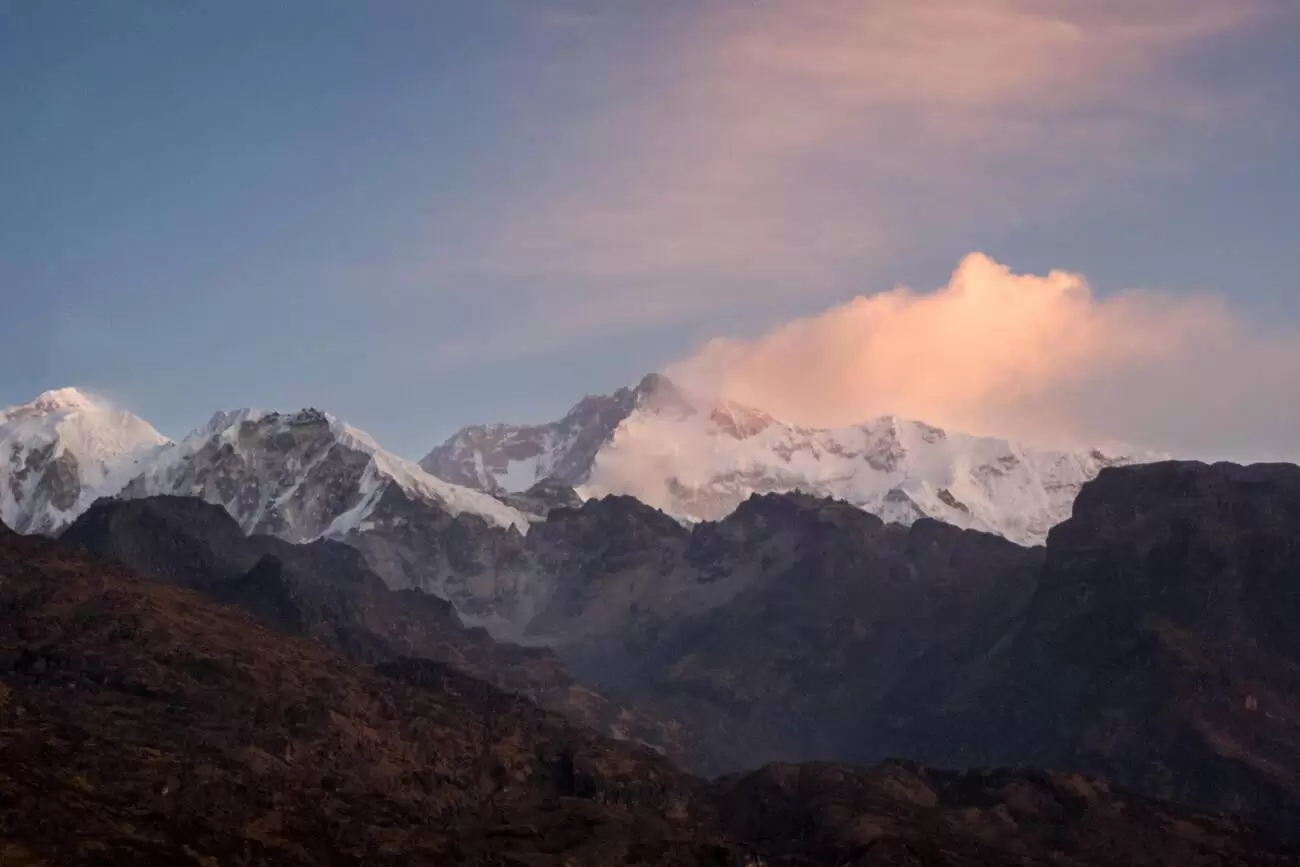
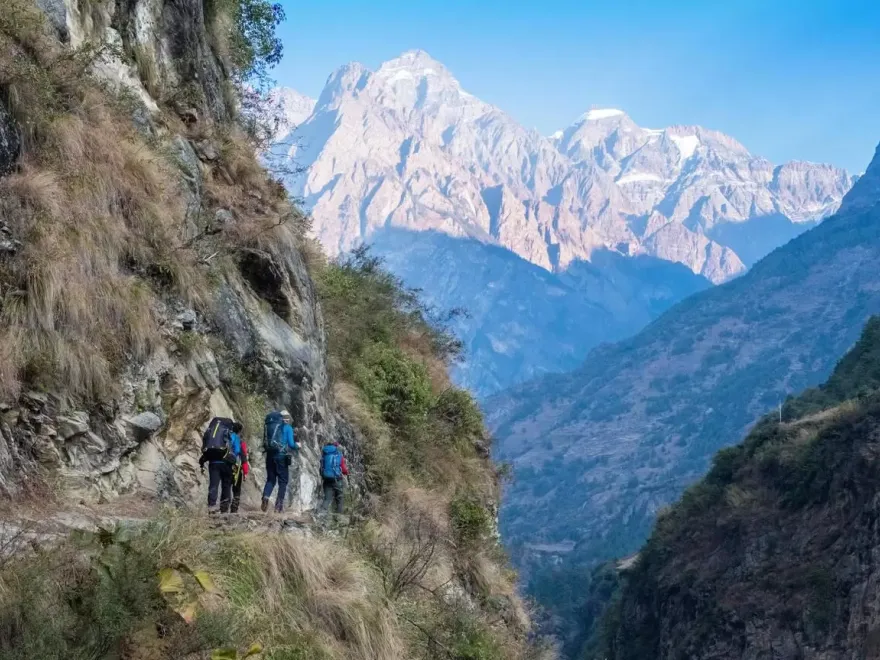
The Kanchenjunga Circuit Trek is a high-altitude trek that takes you around Mount Kanchenjunga, the third-highest peak in the world, located in the eastern Himalayas on the border between Nepal and Sikkim (India). This challenging trek offers trekkers a chance to witness spectacular mountain views, trek through remote villages, and explore the diverse landscapes and cultures of the region. The trek generally takes 18 to 24 days to complete, depending on the pace and the exact itinerary.
The route takes you through the Kanchenjunga Conservation Area, a protected area that is home to rare wildlife, including snow leopards, red pandas, and a variety of birds. The trek provides not only magnificent views of Kanchenjunga (8,586 meters), but also of nearby peaks such as Makalu (8,485 meters), Everest (8,848 meters), and Lhotse (8,516 meters). The journey also includes visits to Buddhist monasteries, remote villages, and high-altitude passes, providing a true wilderness experience.
The best time to trek the Kanchenjunga Circuit is during the spring (March to May) and autumn (September to November) seasons. These months provide the best weather conditions, with clear skies, moderate temperatures, and excellent visibility of the surrounding peaks.
Spring (March to May): Spring is an excellent time to trek in the Kanchenjunga region, as the weather is mild, and the lower valleys are filled with blooming rhododendrons. This season offers clear skies and excellent mountain views.
Autumn (September to November): Autumn is the most popular trekking season in Nepal, as the weather is stable and temperatures are moderate. The skies are clear, providing spectacular views of the Himalayas.
The winter months (December to February) are cold, especially at higher altitudes, and some parts of the trail may be covered in snow, making it difficult to navigate. The monsoon season (June to August) is best avoided, as the trails can be slippery, and there is a higher risk of landslides, especially in the more remote sections of the trek.
Accommodation along the Kanchenjunga Circuit Trek primarily consists of basic teahouses and guesthouses in the villages along the route. These accommodations are simple, with shared rooms, basic bedding, and common dining areas. While they offer warmth and shelter, you should not expect the modern comforts you might find in more popular trekking regions like the Annapurna Circuit or Everest Base Camp.
In the lower villages, the teahouses are generally more comfortable, but as you gain altitude, the facilities become more basic. The food served in the teahouses is usually local, with options like dal bhat (lentil soup with rice), momos (dumplings), and noodles. Hot water may be limited in some places, and electricity may not be available at higher altitudes, so you should prepare for basic living conditions.
If you're seeking a more comfortable trekking experience, some agencies offer luxury trekking options with upgraded accommodation and additional services, but this is not common in the Kanchenjunga region due to the trek's remote nature.
Yes, you will need a licensed guide for the Kanchenjunga Circuit Trek. This is a restricted area, and the government of Nepal requires trekkers to have a guide and often a porter to ensure safety and provide logistical support. You cannot trek independently in this region.
You will also need to obtain several permits to trek in the Kanchenjunga region:
Kanchenjunga Conservation Area Permit (KCAP): This permit is required to enter the Kanchenjunga Conservation Area, which is a protected area. The permit helps support conservation efforts in the region.
Trekkers’ Information Management System (TIMS) Card: This card is required for all trekkers in Nepal, and it helps the authorities track your movement along the trekking routes.
Restricted Area Permit (RAP): This special permit is required to trek in the restricted region of Kanchenjunga. It can be arranged through a registered trekking agency in Nepal and is valid for a certain number of days, typically 10-15 days, with the possibility of extension.
These permits must be obtained through a registered trekking agency in Nepal, as the guide and agency will assist with the necessary paperwork.
Packing for the Kanchenjunga Circuit Trek requires careful attention to the weather, altitude, and the remote nature of the region. Here’s a list of essential items to bring:
Trekking Boots: Sturdy, waterproof trekking boots with good ankle support for uneven and rocky terrain.
Layered Clothing: Bring moisture-wicking base layers, warm fleece, a down jacket, and waterproof outer layers.
Sleeping Bag: A sleeping bag rated for cold temperatures (at least -10°C/14°F).
Waterproof Clothing: A rain jacket and pants in case of rain or snow.
Trekking Poles: Helpful for balance, especially on steep sections.
Sunscreen & Sunglasses: The high-altitude sun can be harsh, so protect your skin and eyes.
Water Purification: Carry a water filter or purification tablets to ensure access to safe drinking water.
Headlamp: For early starts and evening arrivals at teahouses.
First Aid Kit: Including medication for altitude sickness, pain relief, and any personal medications.
Snacks: Energy bars, nuts, and other high-calorie snacks to keep your energy up.
Camera: The region offers amazing views, so don’t forget your camera to capture the beauty.
Cash: Bring Nepali Rupees (NPR) for expenses, as ATMs are not available on the trek.
No, you cannot trek the Kanchenjunga Circuit independently. The region is classified as a restricted area, and it is required by the government that you trek with a licensed guide. This rule is in place to ensure the safety of trekkers and to minimize the environmental and cultural impact of trekking in the region. Independent trekking is not allowed, and you must make all arrangements through a registered trekking agency in Nepal.
| No of people | Price per person |
|---|---|
| 1 - 1 | $1,305 |
| 2 - 4 | $1,125 |
| 5 - 9 | $1,105 |
| 10 - 15 | $1,085 |
| 16 - 20 | $1,065 |