The Everest Base Camp Trek is one of Nepal’s most renowned Himalayan adventures, taking trekkers through the spectacular Khumbu region toward the foot of Mount Everest. Sky Treks and Pilgrimages offers this 15-day journey, which combines mountain scenery, Sherpa culture, Buddhist monasteries, high-altitude landscapes, and the unforgettable experience of reaching Everest Base Camp.
The trek begins in Kathmandu, flies to Lukla, then follows the classic trail through Phakding, Namche Bazaar, Tengboche, Dingboche, Lobuche, Gorak Shep, and Everest Base Camp. Proper acclimatization, steady pacing, and preparation are essential for enjoying the trek safely.
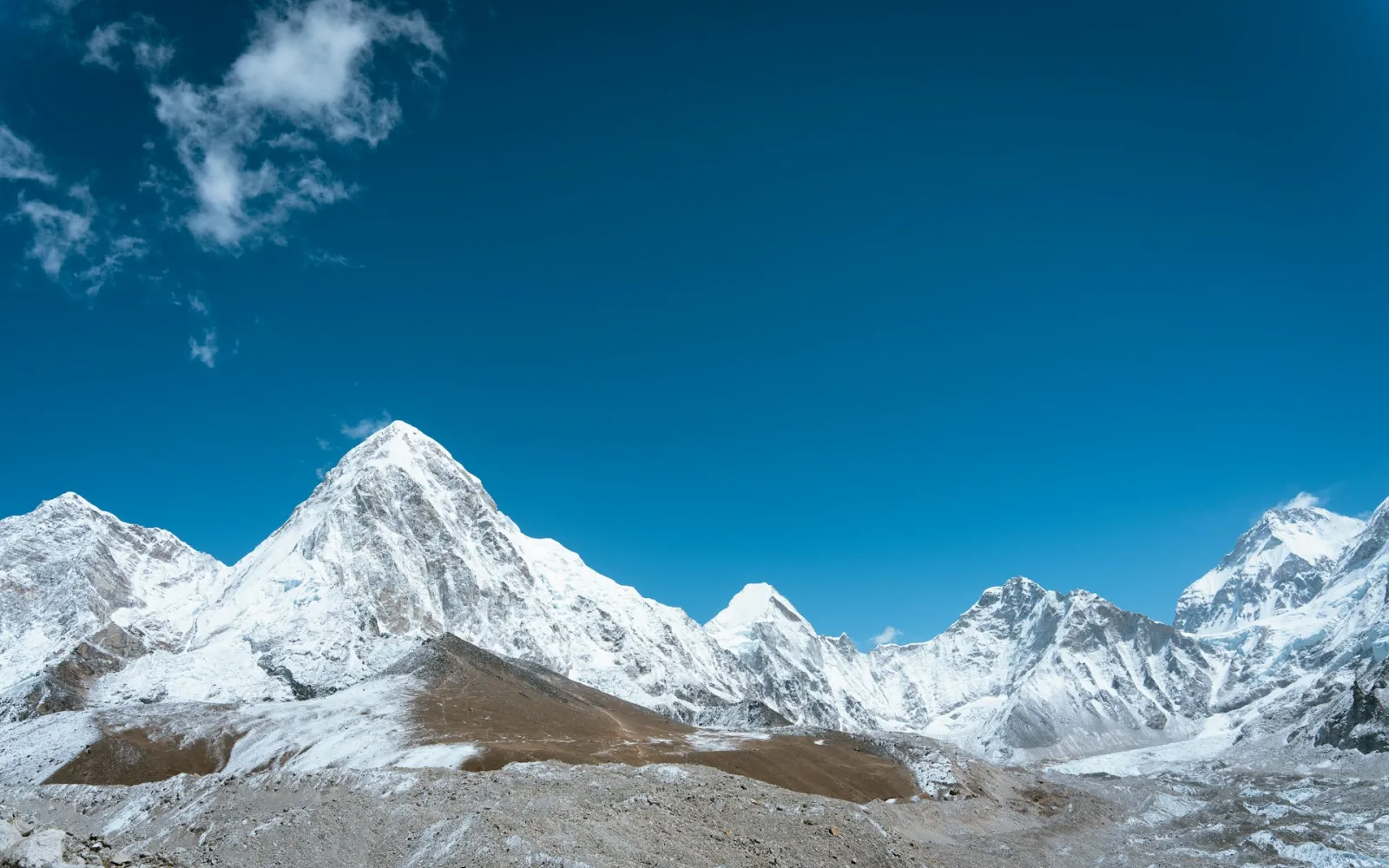
Mount Everest and surrounding Himalayan panoramas
Lukla–Namche Bazaar trekking route
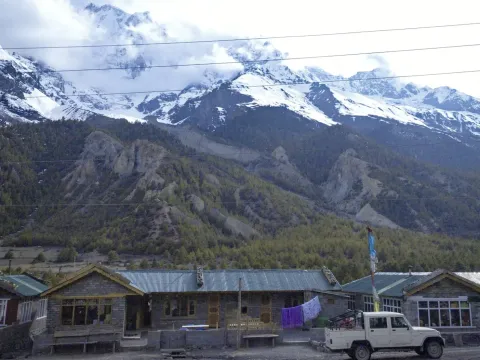
Namche Bazaar and Sherpa culture
Tengboche Monastery
Acclimatization in Namche and Dingboche
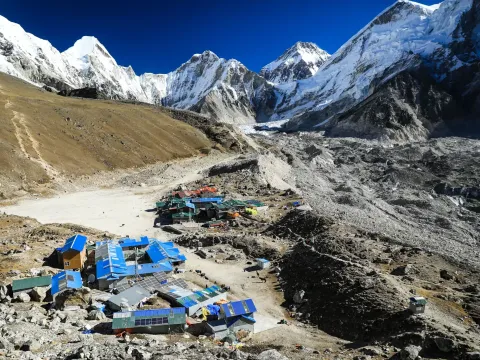
Everest Base Camp
Kala Patthar sunrise views
Khumbu Glacier and high-altitude scenery
Introduction to Everest Base Camp Trek
The Everest Base Camp Trek is a classic Himalayan trekking experience that leads into the Sagarmatha National Park and the heart of the Khumbu Valley. Rather than simply being a mountain trek, the journey offers an opportunity to experience the traditional villages, prayer flags, mani walls, monasteries, and hospitality of the Sherpa communities living beneath the world's highest mountain.
With Sky Treks and Pilgrimages, the itinerary is designed with acclimatization days and gradual elevation gain to help trekkers adapt to the increasing altitude. From the green valleys around Lukla to the rugged terrain around Gorak Shep and Everest Base Camp, the landscape changes dramatically throughout the journey.
Essential information:
Duration: 15 days
Starting point: Kathmandu
Trekking starting point: Lukla
Main destination: Everest Base Camp
Highest trekking point: Kala Patthar, approximately 5,545 m
Region: Khumbu, Nepal, close range while traveling through a landscape shaped by both nature and Sherpa culture. The route passes through
Accommodation: Hotels/tea houses along the trekking route
Why Trek to Everest Base Camp?
Trekking to Everest Base Camp provides an opportunity to experience the Himalayas at close range while traveling through a landscape shaped by both nature and Sherpa culture. The route passes through dramatic mountain valleys, suspension bridges, traditional settlements, forests, glaciers, and high-altitude terrain.
One of the most rewarding aspects of the trek is that the destination is only part of the experience. The journey itself introduces trekkers to the communities and cultural heritage of the Khumbu region, while viewpoints such as Namche Bazaar, Tengboche, and Kala Patthar offer spectacular Himalayan scenery.
Major reasons to undertake the trek:
See Mount Everest and other major Himalayan peaks
Experience authentic Sherpa villages and culture
Visit historic Buddhist monasteries
Walk through Sagarmatha National Park
Cross traditional Himalayan suspension bridges
Experience high-altitude trekking
Reach the iconic Everest Base Camp
Enjoy panoramic views from Kala Patthar
Best Time to Visit Everest Base Camp
The most popular trekking seasons for Everest Base Camp are spring and autumn. Spring, particularly March through May, generally offers pleasant trekking conditions and excellent mountain visibility, while autumn, especially October and November, is widely favored for its generally clear skies and stable conditions after the monsoon.
Winter can bring very cold temperatures and snow at higher elevations, while the summer monsoon can produce rain, clouds, and trail-related challenges in the lower and middle sections. Weather in the Himalayas can change quickly, so trekkers should remain prepared for changing conditions regardless of the season.
Seasonal considerations:
Spring: March–May; mild conditions and blooming rhododendrons
Summer/Monsoon: June–September; rain and cloud cover can affect trekking
Autumn: October–November; generally clear mountain views
Winter: December–February; cold conditions and possible snow
Weather can change rapidly at high altitude
Flight schedules to Lukla can be affected by weather
Everest Base Camp Trek Route and Itinerary
The 15-day Sky Treks and Pilgrimages itinerary begins with arrival in Kathmandu and sightseeing before the flight to Lukla. From Lukla, the trail gradually ascends through Phakding, Namche Bazaar, Tengboche, Dingboche, Lobuche, and Gorak Shep before reaching Everest Base Camp. Dedicated acclimatization days in Namche Bazaar and Dingboche are incorporated into the itinerary.
After reaching Everest Base Camp, trekkers hike to Kala Patthar before descending through Pheriche and Namche Bazaar toward Lukla. The journey concludes with a flight back to Kathmandu and final departure.
Day-by-day route:
Day 1: Arrival in Kathmandu and transfer to hotel
Day 2: Kathmandu sightseeing and trek preparation
Day 3: Fly to Lukla and trek to Phakding
Day 4: Trek to Namche Bazaar
Day 5: Acclimatization day in Namche Bazaar
Day 6: Trek to Tengboche
Day 7: Trek to Dingboche
Day 8: Acclimatization day in Dingboche
Day 9: Trek to Lobuche
Day 10: Trek to Everest Base Camp and Gorak Shep
Day 11: Hike to Kala Patthar and trek to Pheriche
Day 12: Trek to Namche Bazaar
Day 13: Trek to Lukla
Day 14: Fly to Kathmandu
Day 15: Final departure
Difficulty Level and Fitness Requirements
The Everest Base Camp Trek is generally considered a challenging high-altitude trek rather than a technical mountaineering expedition. Trekkers do not normally need climbing experience to reach Everest Base Camp, but they should be prepared for long walking days, steep and uneven trails, changing weather, and progressively thinner air.
Good physical preparation can make the journey more comfortable. Regular cardiovascular exercise, uphill walking, hiking, and strength training before departure can help build endurance. Most importantly, trekkers should follow a gradual pace and allow adequate time for acclimatization rather than focusing solely on walking speed.
Fitness and preparation points:
Build cardiovascular endurance before the trek
Practice long-distance and uphill walking
Strengthen legs and core
Be prepared for 5–8 hours of walking on many trekking days
Maintain a steady, comfortable pace
Stay adequately hydrated
Allow the body time to acclimatize
Carry suitable layers and trekking equipment
Follow your guide’s altitude and safety recommendations
Permits and Entry Requirements
The Everest Base Camp Trek takes place in Nepal’s Khumbu region, where trekkers need the appropriate permits and entry documents before starting the trek. The required permissions generally include the Sagarmatha National Park entry permit and the Khumbu Pasang Lhamu Rural Municipality entry permit. Depending on the current regulations and trekking arrangements, additional documentation may apply.
Sky Treks and Pilgrimages can assist trekkers with the permit process and provide guidance on the documents required for the journey. Trekkers should carry their passport and relevant permits throughout the trek, as documents may be checked at designated points along the route.
Key requirements:
Valid passport
Appropriate Nepal entry visa
Sagarmatha National Park entry permit
Khumbu Pasang Lhamu Rural Municipality permit
Passport-size photographs where required
Travel insurance suitable for high-altitude trekking
Copies of important travel documents
Accommodation and Food Along the Trail
Accommodation during the Everest Base Camp Trek is primarily provided in tea houses and trekking lodges. These establishments offer basic but comfortable rooms, usually with shared bathroom facilities at higher elevations. In places such as Namche Bazaar, trekkers can find a wider selection of lodges and amenities, while accommodation becomes simpler as the trail climbs toward Gorak Shep.
Food along the trail generally includes a combination of Nepali, Tibetan, Indian, and international dishes. Dal bhat, noodles, soups, pasta, potatoes, eggs, bread, and momos are commonly available. As altitude increases, meal choices may become more limited, so eating sufficient carbohydrates and maintaining regular hydration are important during the trek.
Accommodation and dining highlights:
Tea houses and trekking lodges
Basic rooms with beds and blankets
Shared facilities at many higher-altitude lodges
Dal bhat and traditional Nepali meals
Soups, noodles, pasta, potatoes, and momos
Tea, coffee, and other hot beverages
Vegetarian and other dietary options may be available
Food choices become more limited at higher elevations
Cost of Everest Base Camp Trek
The total cost of the Everest Base Camp Trek varies according to the trekking season, group size, accommodation standards, transportation, guide and porter services, permits, and services included in the package. The cost can also change depending on whether travelers choose a standard package or add services such as private transportation, upgraded accommodation, or additional support.
With Sky Treks and Pilgrimages, trekkers should check exactly what is included in their selected package before booking. Typical package inclusions can cover trekking permits, domestic transportation, accommodation, meals during the trek, and guide or porter services, while personal expenses and certain additional services may be excluded.
Common cost components:
Kathmandu accommodation
Lukla flights
Trekking permits and entry fees
Guide services
Porter services, if selected
Tea-house accommodation
Meals during the trekking period
Ground transportation
Travel insurance
Personal expenses and tips
Packing List and Essential Gear
Packing appropriately is essential for the Everest Base Camp Trek because temperatures and weather conditions can change considerably as the trail gains elevation. Trekkers should bring lightweight, durable clothing that can be layered, allowing them to adjust easily between warmer lower elevations and colder high-altitude conditions.
Sky Treks and Pilgrimages can provide practical guidance on equipment and clothing before departure. It is important to avoid overpacking because trekkers may need to carry their own daypack, while porters have weight limits. Essential items should focus on warmth, protection from the weather, comfortable walking, hydration, and personal safety.
Essential packing list:
Waterproof trekking boots
Comfortable trekking socks
Thermal base layers
Fleece or warm mid-layer
Down jacket
Waterproof jacket and trousers
Warm hat and sun hat
Gloves
Sunglasses with UV protection
Sunscreen and lip balm
Trekking poles
Reusable water bottle or hydration system
Headlamp with spare batteries
Personal first-aid supplies
Basic toiletries
Sleeping bag suitable for cold conditions
Duffel bag and daypack
Power bank and charging accessories
Passport, permits, and travel documents
Personal medications and essential items
Altitude Sickness and Safety Tips
Altitude sickness is one of the main concerns during the Everest Base Camp Trek because the trail reaches elevations above 5,000 meters. Anyone can experience altitude-related illness regardless of age or fitness level. Common symptoms can include headache, tiredness, dizziness, nausea, and loss of appetite. Trekkers should take these symptoms seriously and inform their guide if they feel unwell.
Sky Treks and Pilgrimages emphasizes gradual ascent, proper acclimatization, adequate hydration, and maintaining a comfortable walking pace. The acclimatization days in Namche Bazaar and Dingboche are important parts of the itinerary. If symptoms become severe or worsen, descending to a lower altitude is an important safety measure.
Important safety tips:
Ascend gradually and follow the planned itinerary
Take acclimatization days seriously
Drink sufficient water throughout the day
Walk slowly and maintain a comfortable pace
Avoid excessive alcohol at high altitude
Inform your guide about unusual symptoms
Keep warm and protect yourself from changing weather
Carry appropriate travel insurance
Descend if serious altitude symptoms develop
Travel Tips for a Successful EBC Trek
Good preparation can make the Everest Base Camp Trek considerably more comfortable. Before arriving in Nepal, trekkers should prepare their clothing and equipment, arrange suitable travel insurance, and make sure they are physically prepared for several consecutive days of walking. It is also useful to keep some flexibility in the schedule because mountain weather can affect flights and trekking plans.
During the trek, maintaining a steady routine is important. Eat regular meals, stay hydrated, rest properly, and listen to your body. With Sky Treks and Pilgrimages, trekkers can also receive guidance from the trekking team regarding daily walking conditions, altitude, accommodation, and route logistics.
Useful travel tips:
Train with regular hiking and uphill walking before departure
Pack according to the season
Keep important documents easily accessible
Carry some Nepalese currency for personal expenses
Stay hydrated and eat regularly
Keep your daily walking pace comfortable
Allow flexibility for weather-related delays
Respect local customs and Buddhist traditions
Follow designated trails and environmental guidelines
Keep the Himalayan environment clean
Conclusion: Is Everest Base Camp Trek Right for You?
The Everest Base Camp Trek is suitable for travelers who want to experience the Himalayan environment, Sherpa culture, mountain villages, and spectacular views of Mount Everest without undertaking a technical climbing expedition. However, reaching Base Camp requires preparation, endurance, and the ability to cope with high altitude and several days of continuous trekking.
If you are prepared for long walking days, basic tea-house accommodation, changing mountain weather, and gradual altitude gain, the journey can provide a memorable Himalayan experience. Sky Treks and Pilgrimages can help organize the trekking logistics and provide support throughout the itinerary, from Kathmandu and Lukla to Everest Base Camp and back.
Consider the trek if you are ready for:
Multi-day hiking at high altitude
Basic mountain accommodation
Long and sometimes challenging walking days
Changing Himalayan weather
Proper acclimatization and pacing
Experiencing Sherpa culture and mountain communities
Reaching Everest Base Camp and Kala Patthar
A rewarding Himalayan adventure with Sky Treks and Pilgrimages
Need help planning your trip?
Our travel experts are ready to assist you with any questions.