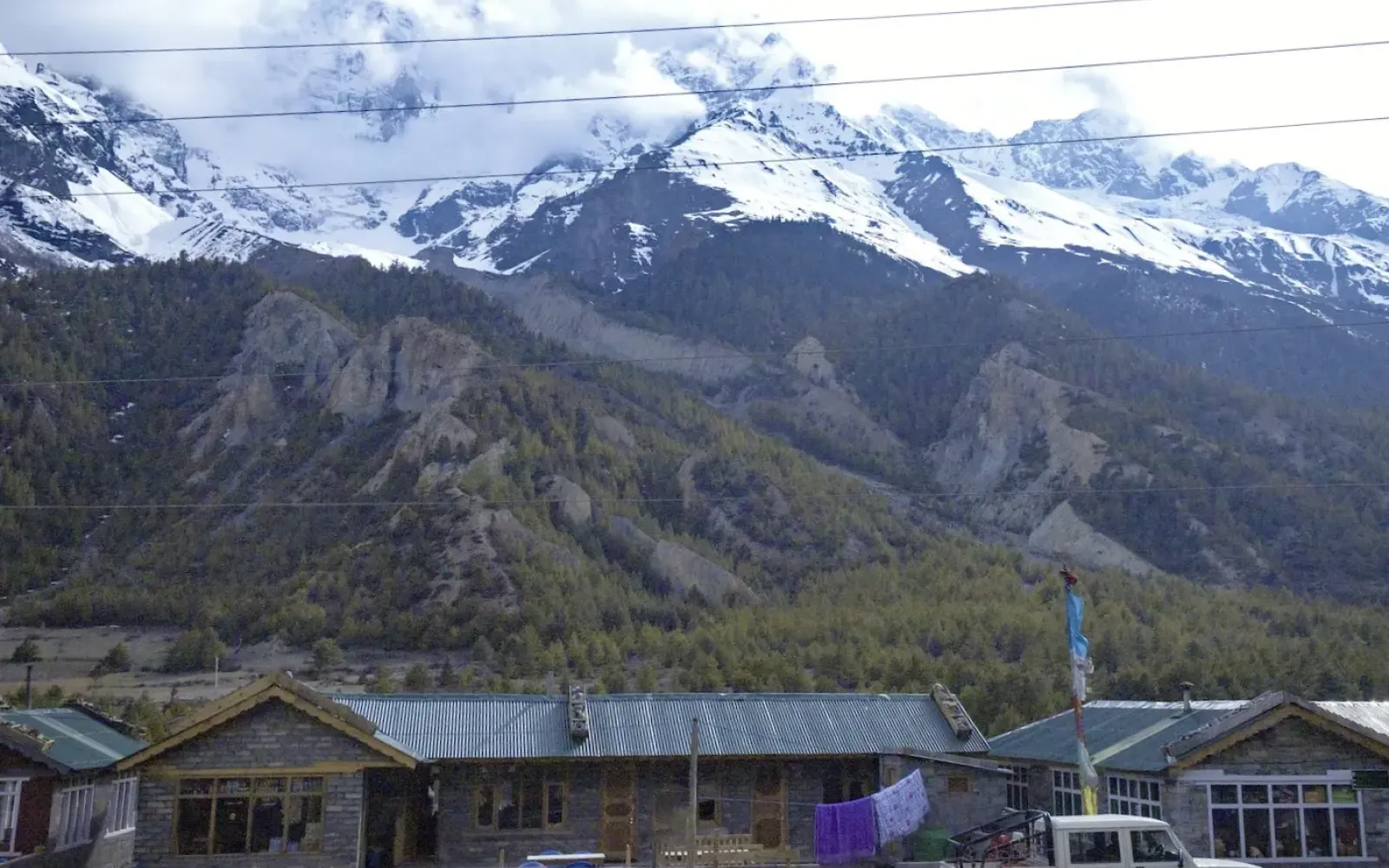
Visiting the Himalayas is an opportunity to experience spectacular mountain landscapes, peaceful villages, rich cultures, ancient monasteries, and memorable trekking routes. From short scenic walks to longer mountain adventures, the region offers experiences for different travel styles and fitness levels. Proper preparation helps make the journey safer, more comfortable, and more enjoyable.
Sky Treks and Pilgrimages helps travelers plan Himalayan journeys with practical guidance, organized itineraries, transportation, accommodation, and trekking or pilgrimage arrangements. Whether you are visiting for adventure, spirituality, nature, or cultural exploration, thoughtful planning can make a significant difference.
- Research your destination before traveling.
- Pack according to the altitude and season.
- Keep your itinerary flexible.
- Respect local communities and traditions.
- Follow responsible travel practices.
Introduction to Visiting the Himalayas
The Himalayas stretch across several countries and include a wide variety of landscapes, cultures, and travel experiences. Popular destinations include Nepal, Bhutan, northern India, and Tibet, with opportunities for trekking, pilgrimage, sightseeing, wildlife experiences, and cultural tours. Every area has its own climate, accessibility, customs, and attractions.
A Himalayan trip can be physically demanding, particularly when traveling to higher elevations. Visitors should understand the effects of altitude, changing weather, remote locations, and limited facilities before starting their journey. Sky Treks and Pilgrimages can assist travelers in selecting suitable routes and organizing the essential arrangements for their trip.
- Learn about the region you plan to visit.
- Check travel and entry requirements.
- Understand local customs.
- Prepare for changing weather.
- Choose activities suitable for your experience.
Choosing the Right Himalayan Destination
Choosing the right destination depends on what you want to experience. Some travelers prefer trekking routes and mountain views, while others may be interested in pilgrimage sites, monasteries, cultural villages, scenic drives, or peaceful nature experiences. Your available time, fitness level, budget, and preferred activities should all be considered before choosing a destination.
Nepal offers destinations such as the Everest, Annapurna, Langtang, and Manaslu regions, while other parts of the Himalayas provide different cultural and geographical experiences. Sky Treks and Pilgrimages can help travelers match their interests and available time with an appropriate Himalayan destination and itinerary.
- Consider your main travel purpose.
- Check the difficulty of your planned activities.
- Consider the number of days available.
- Research altitude and weather conditions.
- Choose a route that matches your experience.
Best Time to Visit the Himalayas
The best time to visit the Himalayas depends on the destination and the type of trip you are planning. In many Himalayan trekking areas of Nepal, spring and autumn are popular because of generally favorable conditions and good mountain visibility. Monsoon periods can bring heavy rainfall in some areas, while winter can bring cold temperatures and snow at higher elevations.
Weather can vary significantly between valleys, lower hills, and high mountain areas. Before traveling, check current weather conditions and seasonal information for your specific destination. Sky Treks and Pilgrimages can help you select a suitable travel period based on your chosen route and activities.
- Check seasonal weather before booking.
- Consider temperatures at higher elevations.
- Allow flexibility for weather-related changes.
- Pack appropriate clothing for the season.
- Check local conditions before starting a trek.
Planning Your Himalayan Itinerary
A good Himalayan itinerary should balance sightseeing, travel time, activities, and rest. Avoid filling every day with activities, particularly when your route includes high-altitude locations. Including spare time can help accommodate weather delays, transportation changes, or the need for additional rest.
When planning with Sky Treks and Pilgrimages, consider transportation, accommodation, permits where applicable, guides, meals, and emergency arrangements. A well-structured itinerary should provide enough time to enjoy the destination instead of making the journey unnecessarily rushed.
- Set realistic daily travel goals.
- Include rest and acclimatization days.
- Allow extra time for delays.
- Confirm accommodation and transportation.
- Keep important travel documents accessible.
Preparing for High Altitude
High altitude is one of the most important considerations when traveling in the Himalayas. As elevation increases, the air contains less available oxygen, and some travelers may experience symptoms of altitude illness. Gradual ascent, adequate rest, hydration, and paying attention to your body can help reduce risks. Anyone developing serious or worsening symptoms should descend and seek medical assistance.
Preparation should begin before the journey by learning about altitude, discussing relevant concerns with a healthcare professional when appropriate, and choosing an itinerary that allows proper acclimatization. Sky Treks and Pilgrimages can help incorporate acclimatization days and practical altitude considerations into a Himalayan travel plan.
- Ascend gradually whenever possible.
- Schedule appropriate acclimatization days.
- Stay hydrated and eat adequately.
- Avoid ignoring symptoms of altitude illness.
- Descend if serious symptoms develop.
- Carry essential personal medication and supplies.
What to Pack for a Himalayan Trip
Packing appropriately is an important part of preparing for a Himalayan journey. The items you need will depend on the destination, season, altitude, and type of trip. A trekking adventure may require more specialized equipment than a sightseeing or pilgrimage tour, but every traveler should prepare for changing temperatures and weather conditions.
Sky Treks and Pilgrimages recommends keeping your luggage practical and avoiding unnecessary weight, especially when your trip includes walking or trekking. Essential documents, personal medicines, water, sun protection, warm layers, and basic personal supplies should be easy to access throughout the journey.
- Carry a comfortable backpack or daypack.
- Pack a reusable water bottle.
- Bring sunscreen, sunglasses, and a hat.
- Carry personal medicines and basic first-aid supplies.
- Keep copies of important travel documents.
- Pack a headlamp or flashlight.
Himalayan weather can change quickly, particularly at higher elevations. Wearing several layers allows you to adjust your clothing as temperatures change during the day. Thermal base layers, insulating mid-layers, and a waterproof outer layer can be useful for mountain travel.
Footwear should be comfortable, supportive, and appropriate for the terrain. Travelers going on treks should use well-fitting hiking shoes or boots and, ideally, wear them before the journey to reduce the chance of discomfort and blisters. Sky Treks and Pilgrimages can provide packing guidance based on the specific route and season.
- Use layers instead of one heavy garment.
- Carry a waterproof jacket or shell.
- Choose comfortable, supportive footwear.
- Bring warm socks and extra pairs.
- Pack gloves and a warm hat for colder areas.
- Avoid wearing new footwear for the first time on a long trek.
Staying Safe During Mountain Travel
Mountain travel requires awareness of your surroundings, physical condition, and changing conditions. Trails can include steep sections, uneven surfaces, loose rocks, narrow paths, and areas where weather can change rapidly. Staying with your group and following the guidance of experienced guides can help make the journey safer.
Sky Treks and Pilgrimages encourages travelers to avoid taking unnecessary risks during Himalayan trips. Follow established trails, allow enough time for each day's journey, and communicate with your guide or travel team if you feel unwell, tired, or uncomfortable.
- Follow your guide's instructions.
- Stay on established trails where possible.
- Avoid rushing on difficult sections.
- Keep emergency contacts readily available.
- Inform your group if you feel unwell.
- Respect safety signs and local regulations.
Understanding Weather and Trail Conditions
Weather conditions in the Himalayas can vary considerably according to altitude, season, and location. Rain, snow, strong winds, cold temperatures, and reduced visibility can affect travel plans and trail conditions. A route that is comfortable in one season may become more challenging during another.
Before beginning a trek or mountain excursion, check the latest local weather and trail information. Sky Treks and Pilgrimages can help travelers plan suitable schedules and make practical adjustments when conditions change. Building some flexibility into your itinerary is particularly useful for mountain travel.
- Check weather conditions before setting out.
- Ask about current trail conditions.
- Be prepared for sudden weather changes.
- Start early when recommended by your guide.
- Keep waterproof protection accessible.
- Allow extra time for unexpected delays.
Food, Water, and Staying Healthy
Maintaining good nutrition and hydration is important during Himalayan travel, particularly when walking or trekking for several hours each day. Carry enough drinking water for your planned activity and use safe, treated, or otherwise reliable water sources. Eating regular, balanced meals can also help provide energy during physically demanding days.
Travelers should pay attention to personal hygiene and take reasonable precautions with food and water. At higher elevations, it is also important to give your body time to adjust and to take symptoms of altitude illness seriously. Sky Treks and Pilgrimages can help incorporate suitable rest and acclimatization periods into your itinerary.
- Drink water regularly throughout the day.
- Use safe drinking-water sources.
- Eat nutritious meals and energy-rich snacks.
- Wash or sanitize your hands before eating.
- Carry personal medication if required.
- Rest when your body needs it.
- Report concerning altitude symptoms promptly.
Transportation and Accommodation Tips
Transportation in the Himalayas can vary from well-connected roads and flights to remote trails accessible only on foot. Depending on your destination, your journey may involve domestic flights, private vehicles, public transportation, or trekking routes. Sky Treks and Pilgrimages can help arrange transportation according to your itinerary and ensure that travel time is considered when planning each part of your journey.
Accommodation also varies from hotels and guesthouses to mountain lodges and teahouses. Facilities may become more basic as you travel into remote and higher-altitude areas. Booking suitable accommodation in advance, especially during busy trekking seasons, can make your journey more organized and comfortable.
- Confirm transportation arrangements before departure.
- Allow extra time for mountain travel.
- Choose accommodation suitable for your route.
- Confirm check-in and meal arrangements.
- Carry essential personal items for remote stays.
- Keep your important documents secure.
Respecting Local Culture and Communities
The Himalayas are home to diverse communities with unique traditions, languages, religions, and ways of life. Travelers should take time to learn about local customs and behave respectfully when visiting villages, monasteries, temples, pilgrimage sites, and other cultural places. Sky Treks and Pilgrimages encourages visitors to approach local communities with courtesy and genuine interest.
Simple actions can help create positive interactions with local people. Ask permission before photographing people, dress appropriately when visiting religious sites, and follow local instructions. Supporting local businesses, guides, accommodation providers, and artisans can also contribute to communities that depend on tourism.
- Respect local customs and traditions.
- Dress appropriately at religious sites.
- Ask permission before taking photographs.
- Learn a few basic local greetings.
- Support local businesses when possible.
- Avoid disturbing religious or cultural activities.
Protecting the Himalayan Environment
The Himalayan environment is fragile, and increased tourism can place pressure on trails, forests, water sources, and local ecosystems. Travelers can help protect these areas by minimizing waste and avoiding activities that damage the natural surroundings. Sky Treks and Pilgrimages promotes responsible travel practices so visitors can enjoy the mountains while helping preserve them.
Small habits can make a meaningful difference during a Himalayan journey. Carry reusable items, dispose of waste properly, avoid single-use plastics where practical, and remain on designated trails. Travelers should also avoid disturbing wildlife and should respect local environmental rules.
- Carry reusable water bottles and bags.
- Take rubbish to appropriate disposal points.
- Avoid littering on trails.
- Stay on designated paths.
- Do not disturb wildlife or plants.
- Use water and other resources responsibly.
Essential Tips for a Comfortable Trek
A comfortable trek depends on preparation, pacing, and listening to your body. Walking at a steady pace and taking regular breaks can help conserve energy, especially on routes with steep climbs and high elevations. Avoid comparing your pace with other travelers, as everyone responds differently to mountain conditions.
Sky Treks and Pilgrimages recommends keeping your daily schedule realistic and allowing enough time for rest and acclimatization. A comfortable trek is not only about reaching the destination but also about enjoying the scenery, local culture, and experience along the way.
- Walk at a steady and manageable pace.
- Take regular breaks.
- Keep your daypack organized.
- Stay hydrated throughout the trek.
- Protect yourself from sun and cold.
- Get enough sleep each night.
- Follow your guide's advice.
Conclusion: Making the Most of Your Himalayan Adventure
A Himalayan adventure can combine breathtaking landscapes, cultural discoveries, peaceful surroundings, and memorable outdoor experiences. Good preparation can help you manage changing weather, mountain conditions, altitude, transportation, and daily trekking demands. Taking time to plan your trip carefully allows you to focus more on enjoying the journey.
With thoughtful planning and responsible travel habits, visitors can experience the Himalayas while respecting the people and environment that make the region special. Sky Treks and Pilgrimages can help organize the practical aspects of your journey, from itinerary planning and transportation to trekking arrangements and accommodation.
- Plan according to your experience and fitness.
- Prepare for changing mountain conditions.
- Respect local people and traditions.
- Protect the Himalayan environment.
- Allow time for rest and acclimatization.
- Enjoy the journey rather than rushing to the destination.